Page 5 of 7

Building Mental Toughness: How Athletes Train for Mental Strength

So, you want to be a champion, huh? Well, it’s not all about physical strength and speed. Nope, it takes a whole lot of mental toughness to come out on top. Just ask any professional athlete, and they’ll tell you that the mind is just as important as the body when it comes to competing at the highest level.

But how do these athletes train their brains to be as strong as their biceps? Let’s take a closer look at some of the strategies they use to build mental resilience and conquer the competition.

Visualization

Ever heard of the phrase “mind over matter”? Well, that’s exactly what visualization is all about. Athletes often use this technique to mentally rehearse their performance before they even step foot on the field, court, or track. By envisioning themselves executing their skills flawlessly, they can increase their confidence and reduce anxiety when it’s game time.

So, next time you’re about to tackle a tough task, close your eyes and picture yourself crushing it like a true champion. You’ll be amazed at the difference it can make!

Positive Self-Talk

You know that little voice in your head that always seems to be criticizing your every move? Yeah, it’s time to kick that negativity to the curb. Athletes are pros at using positive self-talk to boost their confidence and keep their spirits high, even in the face of adversity.

Instead of berating yourself for a mistake, try saying something like, “I’ve got this,” or “I can do better next time.” By speaking kindly to yourself, you’ll be building a strong mental foundation that will carry you through any challenge that comes your way.

Goal Setting

Setting clear, achievable goals is another key element of mental training for athletes. By breaking down big objectives into smaller, more manageable tasks, they can stay focused and motivated throughout their training and competitions.

So, grab a pen and paper and jot down your own goals for success. Whether it’s hitting a new personal record or landing that dream job, having a roadmap to guide you will keep you on track and moving forward, no matter what obstacles pop up along the way.

Resilience

Let’s face it, failure is just a part of life. But it’s how you bounce back from those setbacks that truly defines your character. Athletes know that resilience is a crucial component of mental toughness, and they’re always ready to pick themselves up and try again, no matter how many times they fall.

So, the next time you face a challenge that seems insurmountable, take a deep breath, dust yourself off, and get back in the game. Remember, it’s not about how many times you fall down, but how many times you get back up.

In conclusion, mental toughness is just as important as physical strength when it comes to achieving your goals and reaching your full potential. By incorporating strategies like visualization, positive self-talk, goal setting, and resilience into your daily routine, you can train your brain to be as strong as any muscle in your body. So, keep pushing yourself, stay positive, and never give up – because with a little mental fortitude, you can conquer anything that comes your way.


Train Like a Pro Athlete: Tips for Student Athletes

As a student athlete, you may dream of reaching the same level of physical fitness and performance as professional athletes. While it may seem like an intimidating goal, with the right training regimen and dedication, you can certainly improve your skills and abilities to compete at a higher level. In this article, we will discuss some tips on how to train like a pro athlete.

Introduction to Pro Athlete Training

One of the key aspects of training like a pro athlete is to focus on a well-rounded fitness routine that includes both cardiovascular and strength training exercises. Cardiovascular exercises, such as running, cycling, or swimming, help improve your endurance and stamina, while strength training exercises, like weightlifting or bodyweight exercises, help build muscle strength and power. By incorporating both types of exercises into your routine, you can improve your overall athletic performance.

Setting Goals and Pushing Yourself

Pro athletes are known for their determination and drive to constantly improve and push themselves to new limits. As a student athlete, it’s important to set specific, achievable goals for yourself and then work towards them with dedication and persistence. Whether your goal is to improve your speed, agility, or strength, having a clear objective in mind will help keep you motivated and focused during your training sessions.

When training like a pro athlete, it’s also important to challenge yourself and push your limits. This means increasing the intensity of your workouts, pushing through moments of fatigue, and always striving to do better than your previous performance. By pushing yourself beyond your comfort zone, you can gradually improve your physical abilities and reach new levels of fitness.

Nutrition and Recovery

In addition to a well-rounded fitness routine, pro athletes also pay close attention to their nutrition and recovery strategies. Fueling your body with the right nutrients is essential for optimal performance and recovery. Make sure to eat a balanced diet that includes plenty of lean proteins, complex carbohydrates, and healthy fats to support your training goals.

Additionally, adequate rest and recovery are crucial for allowing your body to repair and rebuild after intense workouts. Make sure to get plenty of sleep, stay hydrated, and incorporate rest days into your training schedule to prevent burnout and reduce the risk of injury.

Consistency and Discipline

Finally, one of the most important aspects of training like a pro athlete is consistency and discipline. Pro athletes stick to their training routines and prioritize their fitness goals, even when faced with obstacles or challenges. As a student athlete, it’s important to make exercise and training a priority in your daily schedule, and to stay committed to your goals even when it’s tough.

In conclusion, training like a pro athlete requires a combination of cardiovascular and strength training exercises, setting specific goals, pushing yourself beyond your limits, paying attention to nutrition and recovery, and maintaining consistency and discipline in your training routine. By following these tips and staying dedicated to your fitness goals, you can improve your athletic performance and take your skills to the next level. Remember, with hard work and perseverance, anything is possible.

Embracing the Struggle: Training for a Marathon

So, you’ve decided to take on the ultimate challenge – running a marathon. Congratulations! You’ve officially entered the realm of crazy athletes who willingly subject themselves to months of grueling training, blistered feet, and early morning wake-up calls. But fear not, dear sports fans, for I am here to guide you through the ups and downs of marathon training with a touch of humor and a sprinkle of sarcasm.

Let’s start with the basics. Training for a marathon is no walk in the park (pun intended). It requires discipline, dedication, and a high tolerance for pain. But hey, at least you’ll have some killer calves by the time you cross that finish line, right?

First things first, you’ll need a solid training plan. And I’m not talking about casually jogging a few times a week. No, my friend, I’m talking about sweating buckets, cursing under your breath, and questioning every life decision that led you to this point kind of training. But hey, it’s all part of the fun, right?

As you lace up your sneakers and hit the pavement, you’ll quickly realize that running a marathon is not just a physical challenge, but a mental one as well. The key to success is finding that perfect balance between pushing yourself to the limit and not collapsing in a heap of despair. Easier said than done, am I right?

And let’s not forget about the joys of cross-training. Because apparently, running 26.2 miles isn’t punishment enough. You’ll find yourself doing all sorts of crazy exercises like burpees, lunges, and squat jumps – all in the name of becoming a better runner. Who knew that torturing yourself could be so much fun?

Now, let’s talk about the dreaded long runs. These bad boys are the bread and butter of marathon training. They’ll test your endurance, your sanity, and your ability to resist the urge to collapse in a puddle of sweat on the sidewalk. But fear not, my fellow sports fans, for every mile you run brings you one step closer to glory. Or maybe just a really big breakfast.

As race day approaches, you’ll start to feel a mix of excitement, nerves, and a healthy dose of self-doubt. Will you be able to finish the race? Will your legs give out before you reach the finish line? Will you ever be able to look at a sports drink the same way again? The answers to these questions may remain a mystery, but one thing is for certain – you’ve put in the hard work, and now it’s time to reap the rewards.

On race day, as you line up at the starting line with hundreds of other crazy runners, you’ll feel a surge of adrenaline unlike anything you’ve ever experienced before. The cheers of the crowd, the pounding of your heart, the sweat dripping down your face – it all culminates in one epic moment of pure, unadulterated joy. And as you cross that finish line, exhausted but elated, you’ll realize that all those months of training were worth every blister, every ache, and every early morning wake-up call.

So, to all my fellow sports fans out there who dare to take on the challenge of running a marathon, I salute you. Embrace the struggle, conquer your doubts, and remember – the only person standing in the way of your success is you. Now go forth, lace up those sneakers, and show the world what you’re made of. Because after all, anyone can run a marathon. But not everyone can do it with style, grace, and a killer sense of humor.

Train Like a Pro: Tips for Professionals

Whether you’re a weekend warrior looking to up your game or a seasoned athlete wanting to take your training to the next level, learning to train like a professional athlete can help you achieve your fitness goals. Professional athletes are known for their dedication, discipline, and commitment to excellence in their training routines. By adopting some of the same habits and techniques they use, you can optimize your workouts and see significant improvements in your performance. Here are some tips on how to train like a pro:

Set Clear Goals

One of the first steps to training like a pro athlete is to set clear and specific goals. Professional athletes have a laser focus on what they want to achieve, whether it’s increasing their strength, improving their speed, or enhancing their endurance. By setting measurable and achievable goals for yourself, you can create a roadmap for your training and stay motivated to reach your full potential.

Follow a Structured Training Plan

Professional athletes work closely with coaches and trainers to develop customized training plans that address their specific needs and goals. To train like a pro, consider working with a fitness professional to design a personalized program that takes into account your fitness level, goals, and any limitations or injuries you may have. Following a structured training plan can help you stay on track and make steady progress towards your objectives.

Prioritize Recovery

Pro athletes understand the importance of rest and recovery in maintaining peak performance. In addition to intense workouts, they prioritize activities like stretching, foam rolling, and getting enough sleep to help their bodies recover and rebuild muscle tissue. Incorporating recovery practices into your routine, such as taking rest days, staying hydrated, and getting regular massages, can help prevent burnout and reduce the risk of injuries.

Focus on Nutrition

Nutrition plays a crucial role in the training routines of professional athletes. Fueling your body with the right nutrients can improve your energy levels, enhance your performance, and support muscle recovery. To train like a pro, consider working with a nutritionist to develop a balanced meal plan that supports your training goals. Be sure to eat a variety of nutrient-dense foods, such as lean proteins, whole grains, fruits, and vegetables, to optimize your athletic performance.

Stay Mentally Strong

Training like a pro athlete requires mental toughness and resilience. Professional athletes often face setbacks and challenges, but they remain focused and determined to overcome obstacles and achieve their goals. To train like a pro, practice mindfulness, visualization, and positive self-talk to help you stay motivated and confident during your workouts. Developing a strong mental game can give you the edge you need to push through tough training sessions and reach new heights in your fitness journey.

In conclusion, training like a pro athlete involves more than just physical exertion. It requires discipline, dedication, and a commitment to excellence in all aspects of your training routine. By setting clear goals, following a structured training plan, prioritizing recovery, focusing on nutrition, and staying mentally strong, you can train like a pro and see significant improvements in your performance. So lace up your sneakers, hit the gym, and start training like the champion you are destined to be.

The Importance of Health and Fitness for Men

As men, maintaining our health and fitness is crucial for living a long and fulfilling life. Whether we are athletes competing at the highest level or simply striving to stay in shape, taking care of our bodies should be a top priority. In this article, we will explore the importance of health and fitness for men and provide some tips on how to achieve optimal physical well-being.

The Benefits of Physical Fitness

Engaging in regular physical activity has numerous benefits for men. Not only does it help to improve our overall physical health, but it also has positive effects on our mental well-being. Regular exercise can help to reduce stress, improve mood, and increase energy levels. Additionally, staying active can help to prevent a variety of chronic diseases, such as heart disease, diabetes, and obesity. By prioritizing our health and fitness, we are investing in our future and increasing our quality of life.

Build a Strong Foundation

To achieve optimal health and fitness, men must focus on building a strong foundation. This involves incorporating a combination of cardiovascular exercise, strength training, and flexibility work into our fitness routine. Cardiovascular exercise, such as running or biking, helps to improve our endurance and heart health. Strength training, on the other hand, helps to build muscle mass and increase metabolism. Finally, flexibility work, such as yoga or stretching, helps to improve our range of motion and reduce the risk of injury.

Nutrition Matters

In addition to regular exercise, men must also focus on proper nutrition to support their health and fitness goals. Eating a balanced diet rich in fruits, vegetables, lean proteins, and whole grains is essential for fueling our bodies and providing the nutrients we need to perform at our best. It is also important to stay hydrated and limit the consumption of processed foods, sugary drinks, and excessive alcohol. By nourishing our bodies with the right fuel, we can optimize our health and fitness levels.

Overcome Challenges

Despite our best efforts, sticking to a health and fitness routine can be challenging at times. Men may face obstacles such as lack of motivation, time constraints, or even injuries. However, it is important to push through these challenges and stay committed to our goals. By setting realistic and achievable milestones, seeking support from friends or professionals, and staying consistent in our efforts, we can overcome any obstacles that come our way. Remember, the pain of discipline is far less than the pain of regret.

Conclusion

In conclusion, prioritizing health and fitness is essential for men of all ages and backgrounds. By engaging in regular physical activity, building a strong foundation, focusing on nutrition, and overcoming challenges, we can achieve optimal physical well-being. Whether we are competing as athletes or simply striving to stay in shape, taking care of our bodies should be a top priority. Remember, the road to better health and fitness may be challenging at times, but the rewards are well worth the effort. It’s time to prioritize your health and fitness – your future self will thank you.

The Best Supplements for Athletes Training for Competitions

When it comes to preparing for competitions, athletes often push their bodies to the limits in order to perform at their very best. They spend hours in the gym, on the track, or in the pool, all in the hopes of achieving their goals. However, intense training can take a toll on the body, leading to fatigue, muscle soreness, and even injury. That’s why it’s important for athletes to not only focus on their workouts, but also on their overall health and nutrition.

One way that athletes can support their training and performance is by incorporating supplements into their daily routines. Supplements can provide essential nutrients and support that may be lacking from their diets alone. Here are some of the best supplements for athletes training for competitions:

  1. Protein Powder: Protein is essential for muscle repair and growth, making it a crucial component of an athlete’s diet. Protein powder can be a convenient way to ensure that athletes are getting enough protein to support their training. Whey protein is a popular choice for athletes, as it is quickly absorbed by the body and contains all essential amino acids.

  2. Branched-Chain Amino Acids (BCAAs): BCAAs are a group of essential amino acids that play a key role in muscle recovery and growth. Taking BCAAs before, during, or after a workout can help reduce muscle soreness and promote faster recovery. This can be especially beneficial for athletes who are training intensively for competitions.

  3. Creatine: Creatine is a naturally occurring compound that helps produce energy during high-intensity exercise. Supplementing with creatine can improve strength, power, and muscle mass, making it a popular choice for athletes looking to boost their performance in the gym or on the field.

  4. Omega-3 Fatty Acids: Omega-3 fatty acids are known for their anti-inflammatory properties, which can help reduce muscle soreness and inflammation after intense workouts. Additionally, omega-3s support heart health and brain function, making them a valuable supplement for athletes looking to perform at their best.

  5. Vitamin D: Vitamin D plays a crucial role in bone health and immune function, both of which are important for athletes training for competitions. Many athletes may be deficient in vitamin D, especially if they train indoors or live in areas with limited sunlight. Supplementing with vitamin D can help support overall health and performance.

In addition to these supplements, it’s important for athletes to focus on a well-rounded diet that includes a variety of fruits, vegetables, lean proteins, and whole grains. Hydration is also key, as proper fluid intake is essential for optimal performance and recovery.

Remember, supplements are meant to complement a healthy diet and training regimen, not replace them. It’s always best to consult with a healthcare provider or sports nutritionist before starting any new supplement regimen, especially if you have any underlying health conditions or concerns.

By incorporating the right supplements into their routines, athletes can support their training efforts, improve recovery, and enhance their overall performance. With the proper combination of supplements, nutrition, and training, athletes can optimize their health and compete at their very best.

Keeping It Fit: A Man’s Guide to Staying in Shape

Are you tired of trying to squeeze into your favorite jeans that seem to have shrunk overnight? Do you find yourself out of breath after climbing a flight of stairs? It’s time to get back in shape, my fellow men. But don’t worry, staying fit doesn’t have to be a chore. With a bit of dedication and some fun twists, you can turn your fitness journey into an enjoyable experience.

Getting Started

First things first, set realistic goals for yourself. Whether it’s losing a few pounds, gaining muscle, or simply improving your overall health, having a clear objective will keep you motivated. Don’t forget to track your progress along the way – seeing how far you’ve come can be a great source of motivation.

Mix It Up

Boredom is the enemy of progress when it comes to fitness. So, switch up your routine regularly to keep things interesting. Try different types of workouts like weightlifting, running, swimming, or cycling. Join a sports team or take up a martial arts class to challenge yourself in new ways. The key is to keep your body guessing and your mind engaged.

Eat Well, Live Well

You know the saying, “abs are made in the kitchen”? Well, there’s some truth to that. No matter how hard you work out, you won’t see the results you want if you’re fueling your body with junk. Opt for nutritious, whole foods like lean proteins, fruits, vegetables, and whole grains. And of course, don’t forget to stay hydrated – water is your best friend.

Rest and Recover

As important as it is to stay active, it’s equally crucial to give your body time to rest and recover. Make sure to get an adequate amount of sleep each night – aim for seven to eight hours. Treat yourself to a rest day or indulge in a massage to help your muscles recover. Remember, progress is made when you rest, not when you work out.

Stay Accountable

Having a workout buddy or joining a fitness community can help you stay on track. Surround yourself with like-minded individuals who can offer you support and encouragement. Share your goals with them and celebrate your victories together. Remember, you’re not in this alone.

Have Fun with It

Exercise doesn’t have to be dull and monotonous. Find activities that you enjoy and incorporate them into your routine. Whether it’s dancing, hiking, playing a sport, or even just going for a walk in the park, staying active can be a blast. Remember, the best workout is the one that you actually enjoy doing.

In Conclusion

Staying fit doesn’t have to be a daunting task. By setting realistic goals, mixing up your routine, eating well, getting enough rest, staying accountable, and having fun with it, you can make fitness a natural part of your lifestyle. So, lace up your sneakers, grab a water bottle, and get moving. Your body will thank you for it.

Health and Fitness Tips for Runners

Running is a fantastic way to stay healthy and fit, but it’s important to take care of your body to prevent injury and maximize your performance. In this article, we will provide some essential health and fitness tips for runners to help you achieve your goals and enjoy your runs to the fullest.

Introduction

Running is a high-impact activity that can put stress on your muscles, joints, and cardiovascular system. By following some simple guidelines, you can ensure that you are keeping your body in peak condition and getting the most out of your runs.

Body

  1. Stay Hydrated: Proper hydration is key to performance and recovery. Make sure you are drinking enough water throughout the day, before, during, and after your runs. Dehydration can lead to fatigue, muscle cramps, and even heatstroke.

  2. Eat a Balanced Diet: Fuel your body with the right nutrients to support your running routine. Include plenty of lean proteins, complex carbohydrates, fruits, and vegetables in your diet. Avoid processed foods and sugary drinks that can hinder your performance.

  3. Warm Up and Cool Down: Always start your runs with a proper warm-up to prepare your muscles and joints for the exercise. After your run, don’t forget to cool down with gentle stretching to prevent stiffness and reduce the risk of injury.

  4. Listen to Your Body: Pay attention to any signs of pain or discomfort during your runs. Don’t ignore them, as they could be early warning signs of potential injury. Rest when needed and don’t push through pain.

  5. Cross Train: Incorporate other forms of exercise into your routine, such as strength training, yoga, or swimming. Cross-training helps to strengthen different muscle groups, prevent overuse injuries, and improve overall fitness.

  6. Get Adequate Rest: Rest is crucial for recovery and muscle repair. Make sure to get enough sleep and include rest days in your training schedule to avoid burnout and allow your body to recover properly.

  7. Invest in Good Running Shoes: Proper footwear is essential to prevent injuries and improve performance. Visit a specialized running store to get fitted for the right shoes that provide adequate support and cushioning for your feet.

  8. Set Realistic Goals: Whether you’re a beginner or an experienced runner, it’s important to set realistic and achievable goals. Gradually increase your mileage and pace to avoid overtraining and risking injury.

Conclusion

By following these health and fitness tips for runners, you can improve your performance, prevent injuries, and enjoy a rewarding running experience. Remember to listen to your body, stay hydrated, eat a balanced diet, and incorporate rest and cross-training into your routine. With dedication and proper care, you can reach your running goals and maintain a healthy and active lifestyle. Happy running!

The Best Endurance Athletes of All Time

Hello there, professional sports enthusiasts! Today, I want to talk to you about the incredible world of endurance athletes. These individuals have pushed themselves beyond their limits, facing challenges and obstacles that most of us could only imagine. From running ultra-marathons to completing Ironman triathlons, these athletes inspire us all to reach for our own goals and push ourselves to new heights.

One standout athlete in the world of endurance sports is Dean Karnazes. Known as the “Ultramarathon Man,” Karnazes has completed some of the toughest and most grueling races on the planet. From running 50 marathons in 50 days to completing the Badwater Ultramarathon in Death Valley, Karnazes is a true testament to human endurance. His mental toughness and physical strength make him a role model for athletes around the world.

Another legendary endurance athlete is Chrissie Wellington. As a four-time Ironman World Champion, Wellington has proven time and time again that she is a force to be reckoned with. Her ability to swim 2.4 miles, bike 112 miles, and run a marathon all in the same day is nothing short of awe-inspiring. Wellington’s dedication to training, mental fortitude, and sheer determination make her one of the best endurance athletes of all time.

Let’s not forget about Scott Jurek, a vegan ultramarathon runner who has set numerous records in the world of long-distance running. Jurek’s ability to endure extreme physical and mental challenges has earned him a spot among the greatest endurance athletes in history. From winning the Western States 100-Mile Endurance Run seven times to setting a new Appalachian Trail speed record, Jurek’s accomplishments speak for themselves.

Lastly, we have Kilian Jornet, a Spanish ski mountaineer and long-distance runner who has taken the endurance world by storm. Jornet’s ability to climb mountains at incredible speeds and conquer some of the toughest terrain on the planet is truly remarkable. His fearless attitude and relentless drive to push himself to the limit make him a standout athlete in the world of endurance sports.

In conclusion, the best endurance athletes of all time inspire us to push ourselves beyond our limits and strive for greatness in everything we do. Whether it’s running ultra-marathons, competing in Ironman triathlons, or conquering mountains, these athletes remind us that with hard work, dedication, and determination, anything is possible.

So, professional sports enthusiasts, I encourage you to take inspiration from these incredible athletes and push yourself to new heights in your own endeavors. Remember, the only limits that exist are the ones you place on yourself. Endurance is not just physical – it’s mental, emotional, and spiritual. So go out there and challenge yourself to be the best you can be. The sky is the limit!

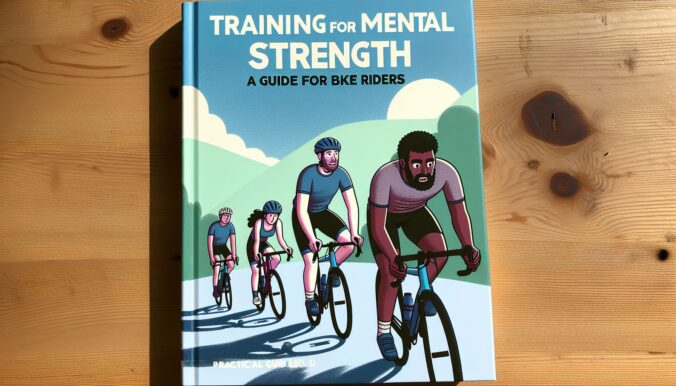
Training for Mental Strength: A Guide for Bike Riders

As a bike rider, physical training is essential for improving your performance on the road. However, many athletes underestimate the importance of mental strength in achieving their goals. Developing mental toughness is crucial for maintaining focus, building confidence, and pushing through challenges during long rides. In this article, we will explore how athletes train for mental strength to enhance their performance on the bike.

One key aspect of mental training for bike riders is visualization. By mentally rehearsing your rides, you can prepare yourself for various scenarios you may encounter on the road. Visualizing success can boost your confidence and help you stay focused during tough climbs or sprints. Before each ride, take a few moments to visualize yourself conquering challenging terrain or crossing the finish line of a race. This practice can help you build resilience and develop a positive mindset.

Another effective method for training mental strength is goal-setting. By setting specific, measurable, and achievable goals, you can stay motivated and on track with your training. Break down your long-term goals into smaller milestones, such as increasing your average speed or completing a certain distance in a set amount of time. Celebrate your achievements along the way to build confidence and momentum. By setting clear goals, you can stay focused and committed to your training regimen.

In addition to visualization and goal-setting, mindfulness techniques can help improve your mental resilience on the bike. Mindfulness involves being fully present in the moment and accepting your thoughts and emotions without judgment. Practice mindfulness during your rides by focusing on your breathing, body sensations, and surroundings. Mindful cycling can help you stay calm under pressure and manage distractions that arise during your training sessions. By incorporating mindfulness into your routine, you can enhance your mental clarity and performance on the bike.

Furthermore, building a strong support network can also contribute to your mental strength as a bike rider. Surround yourself with like-minded individuals who share your passion for cycling and can provide motivation and encouragement. Join group rides or cycling clubs to connect with other riders and share experiences. Having a support system can boost your confidence, help you stay accountable to your goals, and provide valuable feedback to improve your performance. By building a community of fellow cyclists, you can enhance your mental resilience and achieve greater success on the bike.

In conclusion, mental strength is a vital component of athletic training for bike riders. By incorporating visualization, goal-setting, mindfulness, and building a support network into your routine, you can enhance your mental resilience and performance on the road. Remember to stay focused, stay motivated, and stay determined in your pursuit of excellence as a cyclist. With a strong mental foundation, you can conquer any challenge that comes your way and achieve your cycling goals. Happy riding!

« Older posts Newer posts »