Page 3 of 7

Staying Fit: Health and Endurance Tips For Bike Riders

Bike riding is a fun recreational activity that many people worldwide enjoy. Not only is it a cost-effective way of commuting, but it’s also a great way to get in some daily exercise and keep your health in check. But in order to stay fit as a bike rider and maximize the health benefits, you must follow a specific routine and consider some integral aspects related to diet, workout, and lifestyle.

Essential Training Routines

Consistency is key when it comes to any form of exercise, including bike riding. Ensure that you bike regularly to give all your muscles a good workout and improve your cardiovascular health. Incorporate both long distance rides and high-intensity interval training into your routine. The latter will help improve your ability to speed up when required and is really good for improving overall endurance.

Additionally, cross-training is a fantastic way to ensure that other muscles, which biking might not necessarily target, are also worked up. This would help avoid overcompensation and injuries. Activities like swimming, running, or weight lifting complement cycling very well and should be incorporated in your exercise routine.

Healthy Diet, Hydrated Rider

Just as important as exercise, a well-balanced diet is crucial for your fitness journey. Make sure you are getting enough proteins and complex carbohydrates in your meals. These are vital for muscle recovery and energy supply, respectively. Vitamins and minerals should also not be overlooked, as they play a pivotal role in overall wellbeing and immune health.

Hydration is another essential aspect of a biker’s diet. Always carry a water bottle with you, and keep sipping throughout your ride. Remember, thirst is a late indicator of dehydration; if you’re feeling thirsty, you’re already dehydrated. Electrolyte drinks can also be beneficial during long or intense rides to replenish lost salts and maintain a proper water balance in your body.

Adequate Rest and Recovery

Fitness is not only about consistent workouts and healthy food; proper rest and recovery are equally important. Getting enough sleep allows muscle recovery and strengthening, promotes mental well-being and prevents undesired wear and tear.

Make sure to give your body the time it needs to recover, especially after a particularly long or intense ride. Over-training can lead to a significant decline in your performance and could even lead to severe injuries.

Regular Health Check-ups

Staying in tune with your body’s strengths and weaknesses is essential to maintain your physical fitness. Regular health check-ups do exactly that. Routine consultations with your doctor, physiotherapist or dietician help you keep your nutrition and training plan on track, manage any potential injuries, and control overall health.

The Key to Success

The journey to fitness and health is a lifelong one. It’s not about quick fixes or stringent diets; it’s a continual effort, sprinkled with discipline, determination, and consistency.

So whether you ride your bike to work or love cruising around in your free time, or perhaps you are a professional biker racing in competitions, remember that staying fit should be the ultimate goal. Not only will it enhance your biking experience and performance, but it will boost your overall health too.

You are what you repeatedly do, so make it a habit. Embrace the art of pedaling, and pedal your way to fitness. Here’s to many more miles and your healthiest self!
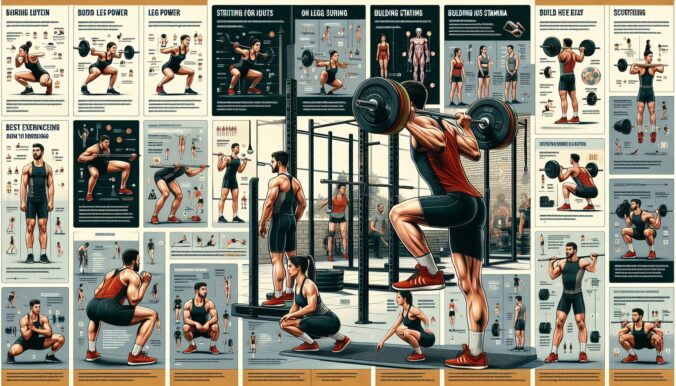
Leg Day Like An Olympian: The Best Exercises for Power and Performance

So you want legs of steel like an Olympian? Well, you’ve come to the right place! Whether you’re a sprinter, a cyclist, a gymnast, or any other type of athlete, having strong and powerful legs is essential for success in your sport. In this article, we’re going to take a look at some of the best exercises that Olympians use to build strength, endurance, and explosive power in their legs. So grab your water bottle, put on your favorite workout playlist, and let’s get started!

Squats

Ah, the classic squat. It’s a staple in any Olympian’s leg workout routine, and for good reason. Squats target all the major muscles in your legs – quadriceps, hamstrings, and glutes – making them one of the most efficient exercises for building lower body strength. Whether you’re doing back squats, front squats, goblet squats, or any other variation, make sure to focus on your form and go as low as you can without compromising it.

Deadlifts

Deadlifts are another favorite among Olympians for building strength and power in the legs and back. This compound exercise targets your hamstrings, glutes, lower back, and core, making it a great all-around exercise for improving your performance in any sport. Just remember to keep your back straight, your chest up, and drive through your heels as you lift the weight off the ground.

Lunges

Lunges are a fantastic unilateral exercise that can help improve your balance, stability, and coordination, while also targeting your quadriceps, hamstrings, and glutes. Whether you’re doing walking lunges, reverse lunges, or Bulgarian split squats, make sure to keep your front knee in line with your ankle and your back knee hovering just above the ground for maximum effectiveness.

Plyometrics

If you’re looking to take your leg training to the next level, plyometric exercises are the way to go. Box jumps, jump squats, and lunge jumps are all great options for developing explosive power in your legs, which can give you a competitive edge in sports that require quick bursts of speed and agility. Just be sure to land softly and absorb the impact with your muscles to avoid injury.

Hill Sprints

Last but not least, hill sprints are a favorite conditioning exercise among Olympians for improving leg strength, speed, and endurance. Find a steep hill in your area, sprint to the top as fast as you can, then jog or walk back down to recover. Repeat for several rounds to really challenge your cardiovascular system and lower body muscles.

In conclusion, if you want legs of steel like an Olympian, incorporating a mix of squats, deadlifts, lunges, plyometrics, and hill sprints into your workout routine is essential. Focus on proper form, progressive overload, and consistency to see the best results. With hard work, dedication, and a bit of sweat, you’ll be well on your way to achieving the powerful and performance-ready legs of your dreams. So lace up your sneakers, hit the gym, and keep pushing yourself to be the best athlete you can be. Your inner Olympian is counting on you!

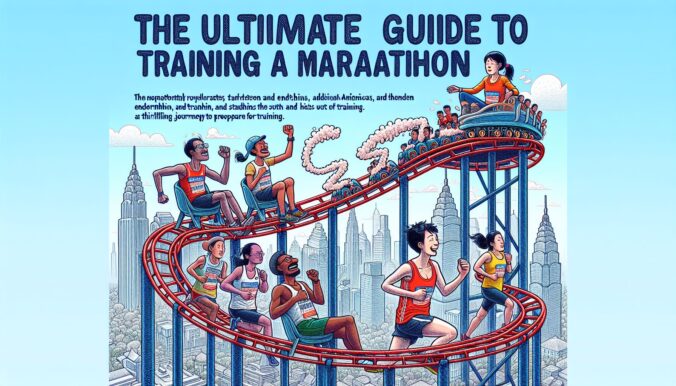
The Ultimate Guide to Training for a Marathon: A Rollercoaster of Sweat and Endorphins

So, you’ve made the crazy decision to run a marathon. Congratulations, you brave soul! Get ready for a wild ride filled with sweat, sore muscles, and a whole lot of endorphins. Training for a marathon is no joke, but with the right mindset and a sprinkle of determination, you can conquer those 26.2 miles like a champ.

The Beginning: Lace Up Your Shoes and Just Go

The first step in your marathon training journey is to lace up your running shoes and hit the road. Whether you’re a seasoned runner or a complete newbie, the key is to just start moving. Begin with shorter runs and gradually increase your mileage each week. Trust me, your body will thank you (eventually).

Embrace the Grind: Pushing Through the Tough Days

Let’s be real – training for a marathon isn’t all sunshine and rainbows. There will be days when your legs feel like lead, your lungs burn with every breath, and the last thing you want to do is go for a run. But here’s the secret: those are the days that count the most. Embrace the grind, push through the pain, and remember that every step you take brings you one step closer to your goal.

Fueling Your Body: Eat, Run, Repeat

In addition to putting in the miles, fueling your body properly is crucial for marathon training success. Load up on complex carbohydrates, lean proteins, and plenty of fruits and vegetables to keep your energy levels high. And don’t forget to stay hydrated – water is your best friend when you’re logging those long runs.

The Mental Game: Mind Over Matter

Running a marathon is as much a mental challenge as it is a physical one. When you hit that infamous “wall” around mile 20, it’s your mental strength that will carry you through to the finish line. Practice positive self-talk, visualize yourself crossing the finish line, and most importantly, believe in yourself. You’ve got this.

Tapering: Resting is Part of the Plan

As race day draws near, it’s important to give your body the rest it deserves. Tapering – or scaling back your mileage leading up to the marathon – is essential for ensuring your legs are fresh and ready to crush those 26.2 miles. Trust in your training, trust in your body, and trust in the process.

Race Day: The Big Kahuna

Finally, the moment you’ve been training for has arrived: race day. Emotions will be high, adrenaline will be pumping, and the energy of the crowd will carry you through those final miles. Remember everything you’ve done to get to this point, channel your inner warrior, and enjoy every moment of crossing that finish line. You are a marathoner.

In conclusion, training for a marathon is a rollercoaster of sweat, sore muscles, and endless determination. It’s not easy, but the sense of accomplishment and pride you’ll feel when you cross that finish line makes every early morning run and achy muscle worth it. So lace up those shoes, hit the road, and embrace the journey. You’ve got this. See you at the finish line.

Tips for Maintaining Fitness as a Runner

As a runner, staying fit is crucial to not only improving your performance but also ensuring your overall health and well-being. Running may be a challenging sport, but with consistent effort and dedication, you can achieve your fitness goals and maintain a strong and healthy body. Here are some tips to help you stay fit as a runner:

1. Consistent Training

Consistency is key when it comes to staying fit as a runner. Make sure to stick to your training schedule and follow a structured plan that includes a mix of distance runs, speed workouts, and recovery days. By staying consistent with your training, you will gradually build endurance, strength, and speed, which are essential for improving your performance as a runner.

2. Cross-Training

Incorporating cross-training into your routine is another effective way to stay fit as a runner. Activities like cycling, swimming, and strength training can help improve your overall fitness, prevent injuries, and enhance your running performance. Cross-training also allows you to work different muscle groups and gives you a break from the repetitive motion of running, which can help prevent burnout.

3. Proper Nutrition

Eating a balanced and nutritious diet is crucial for maintaining fitness as a runner. Make sure to fuel your body with a combination of carbohydrates, protein, healthy fats, vitamins, and minerals to support your training and recovery. Stay hydrated and consume foods that will provide you with sustained energy throughout your runs. Avoid sugary and processed foods, as they can negatively impact your performance and overall health.

4. Rest and Recovery

Rest and recovery are just as important as training when it comes to staying fit as a runner. Make sure to prioritize sleep, as it is essential for muscle repair, hormone regulation, and overall performance. Incorporate rest days into your training schedule to allow your body to recover and prevent overtraining. Listen to your body and take breaks when needed to avoid burnout and injuries.

5. Set Realistic Goals

Setting realistic and achievable goals can help you stay motivated and focused on maintaining fitness as a runner. Whether you are working towards a specific race distance, time goal, or personal best, having a clear objective can give you a sense of purpose and direction. Break down your goals into smaller milestones and celebrate your progress along the way to stay motivated and inspired.

Conclusion

Staying fit as a runner requires dedication, hard work, and a commitment to your training and overall well-being. By following these tips and incorporating them into your routine, you can improve your performance, prevent injuries, and maintain a strong and healthy body. Remember to stay consistent, cross-train, eat well, prioritize rest and recovery, and set realistic goals to help you stay fit and achieve success as a runner. With perseverance and determination, you can conquer any challenge that comes your way and reach your full potential as a runner.

Pedal Power: The Best Leg Exercises for Bike Riders

Are you a cycling enthusiast looking to boost your pedal power and increase your overall performance on the bike? Well, look no further! In this fun and informative blog post, we will explore some of the best exercises for legs that will help you crush those hills and sprint to the finish line with ease. So grab your water bottle, put on your spandex, and let’s get those legs pumping!

Squats

Why not start off with the classic leg exercise that targets your quads, hamstrings, and glutes all in one go? Squats are a fantastic way to build strength and power in your legs, which is essential for generating the force needed to propel your bike forward. To perform a squat, stand with your feet shoulder-width apart, lower your body as if you were sitting back into a chair, and then push through your heels to return to the starting position. Aim for 3 sets of 12-15 reps with a challenging weight to really feel the burn.

Lunges

Lunges are another great exercise for targeting your quads, hamstrings, and glutes, as well as improving your balance and stability. To do a lunge, step forward with one leg and lower your body until both knees are bent at a 90-degree angle. Push through your front heel to return to the starting position, then repeat on the other side. Try incorporating walking lunges into your routine to really challenge your legs and get your heart rate up.

Deadlifts

While deadlifts are traditionally seen as a lower back exercise, they also work wonders for strengthening your hamstrings and glutes. By incorporating deadlifts into your leg day routine, you’ll be able to generate more power from your glutes and hamstrings when you’re pushing through those tough climbs on the bike. Remember to keep your back flat and engage your core throughout the movement to avoid injury. Aim for 3 sets of 8-10 reps with a moderate weight to start.

Hill Sprints

If you really want to take your leg workouts to the next level, why not try incorporating hill sprints into your routine? Find a steep hill in your area, sprint up it as fast as you can, then walk or jog back down to recover. Repeat this 5-10 times for a killer cardio and leg workout that will have you feeling like a pro cyclist in no time. Hill sprints are a great way to build endurance, power, and mental toughness, all of which are essential for performing at your best on the bike.

Cycling

Of course, the best way to train your legs for cycling is to actually get out on your bike and ride! Whether you’re hitting the trails, spinning on a stationary bike, or cruising around your neighborhood, cycling is a fantastic way to build strength, endurance, and cardiovascular fitness in your legs. Try incorporating interval training into your rides by alternating between high-intensity sprints and steady-state riding to really challenge your legs and improve your overall performance.

Conclusion

So there you have it, some of the best leg exercises for bike riders to help you boost your pedal power and crush your cycling goals. Remember to push yourself during each workout, stay consistent with your training, and have fun while you’re at it. Whether you’re a seasoned cyclist or just getting started, these exercises will help you become a stronger, faster, and more efficient rider. So lace up your shoes, hop on your bike, and start pedaling your way to success!

The Grit and Determination of Marathon Training for Men

Training for a marathon is not for the faint of heart. It requires a level of grit and determination that few other athletic endeavors demand. Men who undertake the challenge of training for a marathon must be prepared to push themselves to their limits, both physically and mentally. It is a journey that will test their strength, endurance, and willpower. But for those who are willing to put in the work, the rewards are truly unparalleled.

The first step in training for a marathon is setting a solid foundation of fitness. Before diving headfirst into a rigorous training program, it is important for men to ensure that their bodies are ready for the demands of long-distance running. This may involve several weeks of building up aerobic capacity through regular runs of increasing distance and intensity. It is also crucial to incorporate strength training exercises to strengthen muscles and prevent injury.

Once a solid fitness base has been established, the real work begins. Men must commit to a training schedule that includes regular long runs, speed work, and cross-training. Long runs are the cornerstone of marathon training, as they build the endurance needed to complete 26.2 miles. Speed work, such as intervals and tempo runs, helps to improve cardiovascular fitness and increase running speed. Cross-training, such as cycling or swimming, can help prevent overuse injuries and provide a mental break from running.

Training for a marathon is not just about physical strength, however. It also requires mental fortitude. Long runs can be grueling, and there will inevitably be days when motivation is lacking. Men must dig deep and find the mental strength to push through these tough workouts. Visualization techniques, mantras, and positive self-talk can all be powerful tools to help stay focused and motivated during training.

As the marathon date draws near, men must also pay close attention to their nutrition and hydration. Proper fueling before, during, and after runs is essential to performance and recovery. Carbohydrates are the body’s primary source of fuel for endurance exercise, so it is important to consume enough to sustain energy levels during long runs. Hydration is also critical, especially during hot weather or long runs. Men should aim to drink enough fluids to replace what is lost through sweat.

On race day, all the hard work and sacrifice of training will finally pay off. The atmosphere of a marathon is electric, with thousands of runners coming together to challenge themselves and achieve their goals. Men who have trained diligently will have the confidence to tackle the distance head-on, knowing that they have put in the work to succeed. Crossing the finish line of a marathon is a moment of pure elation and accomplishment, a testament to the strength and determination that it takes to train for such a challenge.

In conclusion, training for a marathon is a journey that requires unwavering strength and dedication. Men who undertake the challenge must be willing to push themselves to their limits, both physically and mentally. It is a test of endurance, willpower, and resilience. But for those who are willing to put in the work, the rewards are immeasurable. The sense of accomplishment that comes from crossing the finish line of a marathon is truly unparalleled. So lace up your running shoes, hit the pavement, and embrace the grit and determination of marathon training.

How to Help Your Athlete Stay Focused at Sporting Practice

As a parent of an athlete, you know that staying focused at practice is crucial for achieving success in their sport. Whether they are a young soccer player, a budding gymnast, or a determined swimmer, the ability to stay focused and dedicated during practice sessions can make all the difference in their performance on game day. Here are some tips to help your athlete stay on track and outwork the competition during practice.

Introduction

Athletes often face distractions during practice, from chatty teammates to external noise and even their own wandering thoughts. It’s essential to provide your athlete with the tools they need to maintain focus and make the most of their training sessions. By instilling a strong work ethic and a focused mindset, you can help set your athlete up for success on the field, court, or pool.

Body

  1. Set specific goals: Encourage your athlete to set specific, achievable goals for each practice session. Whether it’s improving their speed, accuracy, or technique, having a clear goal in mind can help them stay motivated and focused throughout the practice. Remind them that every minute of practice is an opportunity to get better and outwork their competition.

  2. Minimize distractions: Help your athlete create a distraction-free environment during practice. This may mean turning off their phone, finding a quiet space to warm up, or using noise-canceling headphones to block out external noise. By eliminating distractions, your athlete can fully immerse themselves in their training and stay focused on their goals.

  3. Practice mindfulness: Introduce your athlete to mindfulness techniques, such as deep breathing or visualization exercises, to help them stay present and focused during practice. Encourage them to take a few moments before each session to center themselves and set their intentions for the practice ahead. Mindfulness can help your athlete stay in the moment and perform at their best.

  4. Provide positive reinforcement: Offer your athlete words of encouragement and praise to help keep them motivated and focused. Let them know that you believe in their abilities and that hard work pays off. Positive reinforcement can boost your athlete’s confidence and drive them to outwork the competition on and off the field.

  5. Celebrate small victories: Acknowledge and celebrate your athlete’s progress and achievements, no matter how small. Whether it’s mastering a new skill, setting a personal best, or simply showing up to practice with a positive attitude, praise your athlete for their hard work and dedication. By recognizing their efforts, you can help keep them motivated and focused on their goals.

Conclusion

As a parent, you play a crucial role in helping your athlete stay focused and dedicated during sporting practice. By setting specific goals, minimizing distractions, practicing mindfulness, providing positive reinforcement, and celebrating small victories, you can help your athlete develop the focus and resilience needed to outwork the competition. Remember that success doesn’t happen overnight – it takes dedication, hard work, and a laser-like focus on the end goal. By supporting and encouraging your athlete every step of the way, you can help set them up for success both on and off the field.

Exercising Like a Champion: Getting Your Cardio On!

Hey there, athletes! Are you ready to take your game to the next level? Well, it’s time to lace up those shoes, hit the pavement, and get your cardio on! Exercising is not just about building strength and endurance, it’s also about outworking the competition. So, if you want to crush your opponents and dominate the field, then cardio is your best friend.

When it comes to exercising for athletes, cardio is king. It’s not just about running endless miles or spending hours on the elliptical – it’s about pushing yourself to the limit, challenging your body, and elevating your game. Cardio helps improve your cardiovascular health, increase your stamina, and boost your overall performance. So, whether you’re a runner, a basketball player, or a soccer star, incorporating cardio into your training routine is essential.

But let’s be real – cardio can be tough. It’s not always easy to get motivated to go for a run or hop on the bike. However, if you want to be the best, you’ve got to put in the work. So, how can you make cardio more enjoyable and entertaining? Here are a few tips to help you get your cardio on like a champion:

  1. Mix it up: Don’t be afraid to try new activities and switch up your routine. Running, cycling, swimming, dancing – the options are endless. By mixing up your cardio workouts, you’ll keep things exciting and prevent boredom.

  2. Set goals: Whether it’s increasing your mileage, improving your speed, or conquering a new route, setting goals will keep you motivated and focused. Plus, achieving those goals will give you a sense of accomplishment and push you to work even harder.

  3. Pump up the jams: Create a killer playlist full of your favorite high-energy tunes. Music can be a powerful motivator and help you stay on pace during your cardio sessions. So, crank up the volume and get ready to sweat.

  4. Find a buddy: Exercising with a friend can make cardio more fun and enjoyable. Not only will you have someone to push you and keep you accountable, but you’ll also have a partner to share the experience with. Plus, a little friendly competition never hurt anyone.

  5. Reward yourself: Treat yourself to a post-workout snack or a relaxing massage. By rewarding yourself after a challenging cardio session, you’ll associate exercise with positive feelings and be more likely to stick with it.

So, athletes, it’s time to lace up those shoes, hit the track, and get your cardio on like a champion. Remember, exercising is not just about building strength and endurance – it’s about outworking the competition and dominating the field. So, push yourself to the limit, challenge your body, and watch as your performance soars to new heights. Get out there, get moving, and show the world what you’re made of. Let’s do this!

The Best Long Distance Runners of All Time for Men

As parents, we always want to inspire our children to reach for the stars and achieve their dreams. When it comes to sports, there are few athletes as awe-inspiring as long distance runners. The sheer dedication, perseverance, and passion that these athletes exhibit is truly remarkable. Today, let’s take a look at some of the best long distance runners of all time for men, whose legendary feats continue to motivate and inspire generations of athletes.

One name that immediately comes to mind when we think of long distance running is Haile Gebrselassie. This Ethiopian athlete is widely regarded as one of the greatest distance runners in history. Gebrselassie’s impressive list of accomplishments includes multiple Olympic gold medals and world records in the 5,000 and 10,000-meter races. His incredible endurance and stamina have earned him a well-deserved spot among the all-time greats in the world of long distance running.

Another iconic figure in the world of long distance running is Kenenisa Bekele. Hailing from Ethiopia, Bekele is a true force to be reckoned with on the track. Known for his exceptional speed and endurance, Bekele has broken numerous world records and won multiple Olympic and World Championship titles. His fierce competitiveness and unwavering determination make him a role model for aspiring long distance runners around the globe.

Moving on to the legend of Mo Farah from the United Kingdom. Farah has dominated the long distance running scene for years, winning multiple Olympic and World Championship titles in the 5,000 and 10,000-meter races. Known for his impressive finishing kick and strategic racing tactics, Farah has solidified his place as one of the greatest distance runners of all time. His dedication to training and his never-say-die attitude serve as a shining example for young athletes everywhere.

And who can forget the incredible achievements of Eliud Kipchoge from Kenya? Kipchoge made history by breaking the elusive two-hour barrier in the marathon, showcasing his exceptional talent and determination. His consistent success in the world of long distance running has earned him a reputation as one of the most dominant athletes in the sport. Kipchoge’s mental toughness and unparalleled work ethic continue to inspire runners of all ages to push themselves beyond their limits.

In conclusion, the best long distance runners of all time for men have one thing in common – a relentless pursuit of excellence and a never-ending drive to push themselves to new heights. These athletes have captured the hearts of fans around the world with their incredible performances and unwavering dedication to the sport. As parents, we can encourage our children to follow in the footsteps of these legendary athletes by emphasizing the importance of hard work, perseverance, and passion in achieving their goals. Let the stories of these remarkable long distance runners serve as a source of inspiration for the next generation of athletes, who dream of making their mark on the world stage.

Hydration Hacks for Athletic Men: Stay Cool and Crush the Competition!

Hey there, fellow athletic dudes! If you want to dominate on the field, track, or court, you need to make sure you’re staying properly hydrated. Hydration is key to maintaining peak performance, endurance, and overall health during intense physical activity. So, let’s talk about some fun and effective ways for you to quench your thirst and outwork the competition!

1. Pre-hydration is Key

Before you even lace up your sneakers or hit the weights, it’s important to start hydrating early. Drink plenty of water throughout the day leading up to your workout or game. This ensures that you’re starting off properly hydrated and ready to tackle whatever challenges come your way. Aim to drink at least 20-30 ounces of water a few hours before your athletic activity.

2. Make it a Game

Why not turn hydration into a fun challenge? Grab a cool water bottle and set a goal for how much you want to drink by the end of your workout. You can even add some flavor with a sports drink or infused water to keep things interesting. Challenge yourself to finish the whole bottle before you finish your cardio session or game. Treat it like a race and see how quickly you can hydrate like a champ!

3. Electrolytes are Your Friends

When you’re sweating buckets during a tough workout, you’re losing more than just water. Electrolytes like sodium, potassium, and magnesium are also being depleted from your body. Replace these essential minerals by sipping on a sports drink or coconut water during and after your athletic endeavors. Not only will this help you stay hydrated, but it will also support muscle function and prevent cramping.

4. Post-workout Recovery

After you’ve given it your all and left it all on the field, it’s crucial to replenish your fluids. In addition to water, consider incorporating a protein shake or smoothie into your post-workout routine. This will not only help with hydration but also provide your muscles with the necessary nutrients for repair and growth. Plus, it’s a tasty way to refuel after a grueling cardio session or strength training workout.

5. Listen to Your Body

Above all, listen to what your body is telling you. Thirst is a natural indicator that you need more fluids, so don’t ignore it. Pay attention to the color of your urine as well – clear or light yellow is a good sign of hydration, while dark yellow may indicate dehydration. If you’re feeling fatigued, dizzy, or have a headache, these could be signs that you need to drink more water. Don’t wait until you’re feeling parched to start hydrating – be proactive and keep sipping throughout the day.

In conclusion, staying hydrated is a key component of athletic success for men. By following these fun and effective hydration hacks, you can ensure that you’re properly fueled to outwork the competition and crush your fitness goals. So, grab that water bottle, keep chugging, and stay cool under pressure. Hydration is your secret weapon to victory on the field, track, or court – so drink up and go get ’em, champ! #hydrationiskey #wetterisbetter

« Older posts Newer posts »