Author: Bobbie Ryan (Page 4 of 7)

How Do Personal Trainers Customize Fitness Plans?

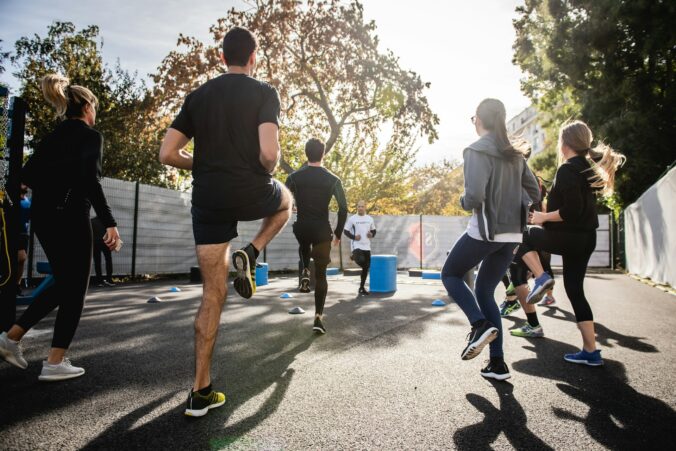
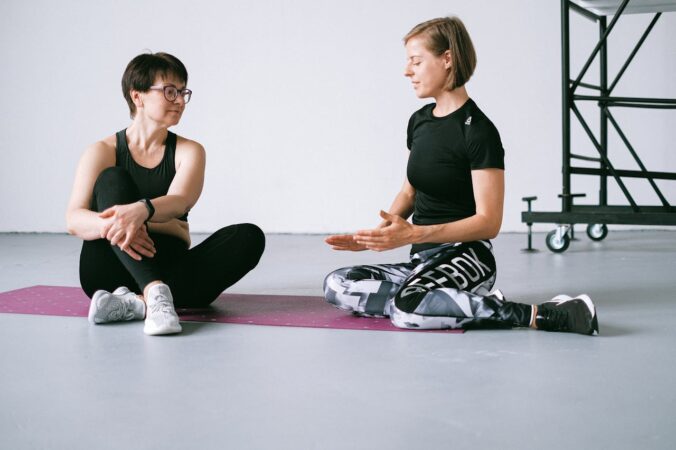
Creating a proper fitness schedule is the most important step for staying healthy. Your personal trainer will craft a strategic plan for your regular fitness training. As the expert knows everything about workouts and nutritional needs, they will encourage you to start a sustainable fitness journey. Let us now see how the best personal trainers in Scottsdale personalize their clients’ fitness programs.

Check your Fitness Level

Your current fitness status is the most significant factor for developing the plan. The trainer will assess your core stability, cardio health, and strength. It helps him decide if you need a beginner or advanced-level fitness routine. The expert will also check your flexibility and mobility to incorporate the right exercises into your plan.

Ask you About your Goal

Not everyone has the same goal for fitness. That is why you should discuss your goals to help your trainer create a personalized workout schedule. Make sure you reveal your long-term and short-term goals, such as strength development and improved endurance. The overall plan should align with your goals. 

Include Different Workouts in your Plan

A personal trainer can select the best exercises based on your fitness levels and goals. Swimming and cycling are great for improving stamina and endurance. Most trainers recommend doing workouts for at least 150 minutes every week. However, strength training is also essential to improve your balance and mobility. 

So, your trainer in Scottsdale will create a mix of various exercises and help you achieve the ultimate goal. 

Create the Workout Duration and Frequency

How much exercise should you do every day? The trainer will set the duration depending on your fitness level and availability. As a beginner, you may need more frequent fitness training sessions. Your dedication and consistency will help you achieve your goals. The best trainers in Scottsdale will keep you motivated and encourage you to progress faster.

Ask you to Listen to your Body’s Response

Although a personalized fitness plan is highly beneficial, you should focus on your physiological response. If you have been strained or injured, your trainer will adjust the routine. Your fitness planner always focuses on your progress and overall health to design the workout schedule. 

Develop a Personalized Meal Plan

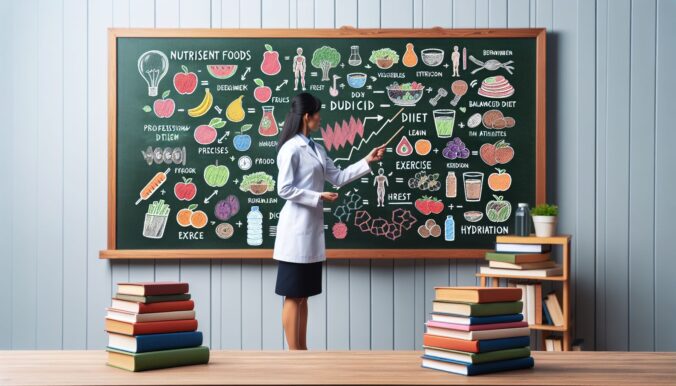
Personal trainers in Scottsdale are aware of the connection between diet and fitness. A well-rounded workout plan should incorporate nutritional advice for your food. You must consume healthy fats, veggies and other items. But, food quality also makes a difference in health. Overeating and processed food consumption are unhealthy for everyone. 

If a chocolate bar is your favorite snack, you don’t need to shut it out completely. It’s all about making more good decisions than bad ones.

Track your Progress

Your personal trainer will monitor your progress and measure the results. If needed, they will modify the plan and promote better health. You may also create a daily checklist to assess the outcome.

So, look for the best fitness trainer and customize the plan to stay healthy throughout the year. They will give you more advice depending on your health.
The Best Way to Stay Hydrated When Competing in Athletics

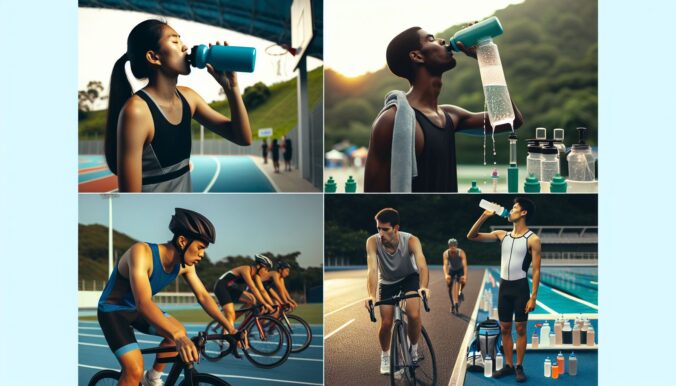
As a professional athlete, staying hydrated is crucial for optimal performance. Dehydration can lead to decreased endurance, muscle cramps, and even heat-related illnesses. Therefore, it is essential to have a well-thought-out hydration plan in place when competing in athletics. In this article, we will discuss the best way for professional athletes to stay hydrated during competitions.

Hydration Before the Competition

Proper hydration starts before the competition even begins. It is important to start the day well-hydrated by consuming plenty of fluids throughout the morning. Aim to drink at least 16-20 ounces of water 2-3 hours before your event. This will ensure that your body is adequately hydrated before you even step onto the field or court.

During the Competition

During the competition, it is crucial to continue consuming fluids to replace what is lost through sweat. Water is typically sufficient for activities lasting less than an hour. However, for longer events or those taking place in hot conditions, a sports drink containing electrolytes may be more beneficial. Electrolytes help to replace the minerals lost through sweat and aid in maintaining proper hydration levels.

It is important to listen to your body and drink when you are thirsty. Do not wait until you feel extremely dehydrated to start drinking fluids. By that point, it may be too late to prevent performance declines due to dehydration. Keep a water bottle or sports drink nearby and take sips regularly throughout the competition.

Post-Competition Hydration

After the competition is over, it is critical to continue hydrating to aid in recovery. Aim to drink at least 16-24 ounces of fluid for every pound lost during exercise. Consuming a mix of water and a sports drink can help to replenish lost fluids and electrolytes quickly. Additionally, eating hydrating foods such as fruits and vegetables can also contribute to rehydration post-competition.

Tips for Staying Hydrated

  • Carry a water bottle with you at all times and take sips regularly throughout the day.
  • Monitor the color of your urine. A pale yellow color indicates proper hydration, while a darker yellow color may signal dehydration.
  • Avoid caffeinated beverages, as they can have a diuretic effect and contribute to dehydration.
  • Consider weighing yourself before and after exercise to determine fluid loss and adjust your hydration plan accordingly.

In conclusion, staying hydrated is essential for professional athletes to perform at their best during competitions. By following a well-rounded hydration plan that includes pre-event, during-event, and post-event strategies, athletes can ensure they are properly fueled and ready to compete. Remember to listen to your body, drink regularly, and replenish lost fluids to stay at the top of your game. Stay hydrated, stay strong, and keep dominating on the field or court.

How to Eat Like a Pro Athlete (Without Actually Being One)

So you want to eat like a pro athlete, huh? Well, I hate to break it to you, kid, but chowing down on a bag of Cheetos while watching TV isn’t exactly going to cut it. If you want to fuel your body like a champion, you’ve got to be willing to put in the work. Lucky for you, I’ve got some tips on how to eat like a pro athlete – without actually being one.

First things first, forget about those sugary cereals and toaster pastries. If you want to eat like a pro, you’ve got to start your day off right with a powerhouse breakfast. Think eggs, whole grain toast, and a side of fruit. None of that sugary junk that will have you crashing by mid-morning. Fueling up properly in the morning will give you the energy you need to tackle whatever challenges come your way throughout the day.

Now, let’s talk snacks. I know, I know, those cookies in the pantry are calling your name. But if you want to eat like a pro athlete, you’ve got to choose snacks that will actually fuel your body. Think nuts, yogurt, or fruits and veggies. These snacks will give you the energy you need to power through your day – no sugar crashes allowed.

When it comes to mealtime, it’s all about balance. Pro athletes fuel their bodies with a mix of lean protein, complex carbohydrates, and healthy fats. So ditch the fast food and reach for a grilled chicken salad instead. Your body will thank you for it – trust me.

And don’t forget about hydration. Pro athletes know the importance of staying hydrated, and you should too. Water should be your go-to drink throughout the day, whether you’re hitting the books or hitting the field. Save the sugary sodas for special occasions – your body will thank you for it.

Now, let’s address the elephant in the room – dessert. I get it, sometimes you just need a little something sweet to satisfy your cravings. But if you want to eat like a pro athlete, you’ve got to be smart about your dessert choices. Opt for a piece of fruit or a small square of dark chocolate instead of diving headfirst into a pint of ice cream. Your body will thank you for making the healthier choice.

So there you have it, kid. Eating like a pro athlete isn’t rocket science, but it does require some discipline and dedication. By fueling your body with the right foods, you’ll have the energy you need to tackle whatever challenges come your way. So put down the junk food and pick up a piece of fruit – your body will thank you for it in the long run. And who knows, maybe one day you’ll be eating like a pro athlete for real. But for now, just focus on making healthier choices and fueling your body like the champion you are.

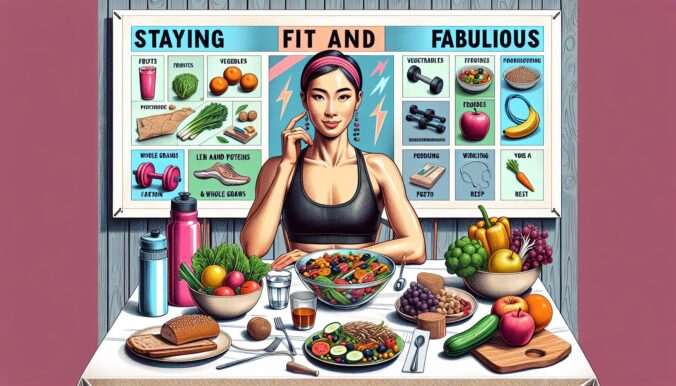
Stay Fit and Fabulous: The Best Diet Tips for Female Athletes

Hey there, ladies! Are you a fierce athlete looking to stay at the top of your game and maintain that killer physique? Well, you’ve come to the right place. In the world of sports and fitness, what you put into your body is just as important as the work you put in at the gym. So, buckle up and get ready to take your diet to the next level with these top-notch tips for female athletes.

First and foremost, let’s talk about the importance of fueling your body properly. As an athlete, you’re constantly pushing your limits and challenging yourself to perform at your best. This means you need to give your body the nutrients it needs to keep going strong. Make sure to fill your plate with a balanced mix of lean protein, complex carbohydrates, and healthy fats. Protein is essential for muscle repair and growth, while carbohydrates provide the energy you need to power through those intense workouts. And don’t skimp on the fats – they’re crucial for hormone regulation and overall health.

Next up, hydration is key. As an athlete, you’re constantly sweating and losing fluids during training sessions and competitions. To keep your body functioning at its peak, make sure you’re drinking plenty of water throughout the day. Aim to sip on water consistently, rather than chugging large amounts all at once. And don’t forget to replenish electrolytes with sports drinks or coconut water after particularly intense workouts.

In addition to fueling your body properly, it’s important to be mindful of portion sizes. As athletes, we often have higher caloric needs than the average person, but that doesn’t give us a free pass to eat everything in sight. Pay attention to your hunger cues and stop eating when you’re satisfied, rather than stuffing yourself to the brim. Remember, it’s all about quality over quantity.

Now, let’s talk about timing. When it comes to fueling your workouts, timing is everything. Aim to eat a balanced meal or snack containing carbohydrates and protein about 1-2 hours before your workout to give your body the fuel it needs to perform. After your workout, make sure to refuel with a mix of protein and carbohydrates to aid in muscle recovery and replenish glycogen stores. And don’t forget to listen to your body – if you’re hungry, eat!

Last but not least, remember to enjoy the journey. Staying fit and healthy is a lifestyle, not a destination. Embrace the process, stay consistent with your dietary choices, and don’t be too hard on yourself if you slip up every now and then. You’re a badass athlete, and you have the strength and determination to conquer any challenge that comes your way.

So there you have it, ladies – the best diet tips for female athletes looking to stay fit and fabulous. Fuel your body properly, hydrate like a champ, watch your portions, time your meals effectively, and above all, enjoy the ride. With these tips in your arsenal, there’s no stopping you from achieving your fitness goals and dominating in your sport. Stay fierce, stay fabulous, and keep kicking butt on and off the field!

The Importance of Hydration for Kids in Sports

As a parent, you want to see your child succeed in sports. You want them to give their all, outwork the competition, and reach their full potential. But one thing that is often overlooked is the importance of hydration. Proper hydration is essential for kids when competing in sports, as it can affect their performance and overall health. In this blog post, we will discuss why hydration is crucial for young athletes and provide tips on how to ensure your child stays properly hydrated.

Why is hydration important for kids in sports?

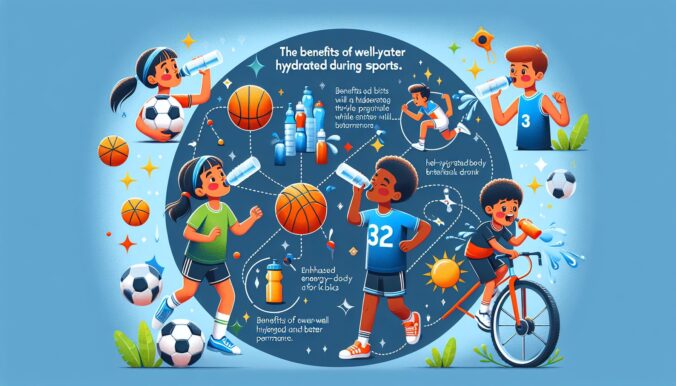
When kids participate in sports, their bodies lose water through sweat. If they do not replace this lost fluid, they can become dehydrated, which can negatively impact their performance. Dehydration can lead to fatigue, muscle cramps, dizziness, and even heat exhaustion. In extreme cases, it can be dangerous and lead to heat stroke.

Proper hydration is essential for maintaining optimal body function and performance during physical activity. Water is crucial for regulating body temperature, transporting nutrients and oxygen to cells, and removing waste products from the body. Staying hydrated also helps prevent injuries and allows kids to perform at their best.

How can you ensure your child stays properly hydrated?

  1. Encourage your child to drink plenty of water throughout the day, not just during sports practices or games. Aim for at least eight glasses of water a day, and more if they are participating in intense physical activity.

  2. Make sure your child has easy access to water during sports practices and games. Provide them with a reusable water bottle that they can refill regularly.

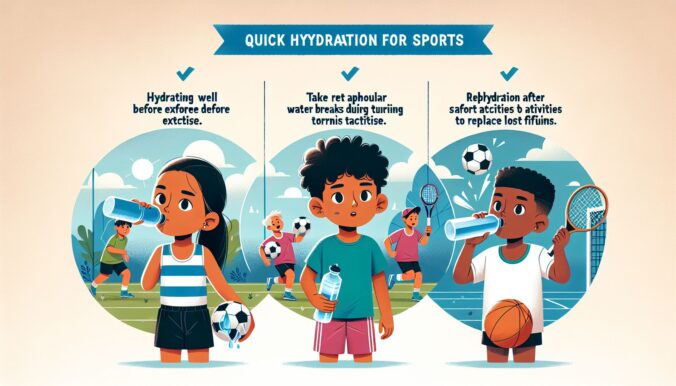
  3. Encourage your child to drink water before, during, and after physical activity. They should drink about 17-20 ounces of water two to three hours before exercise, 8 ounces every 20 minutes during exercise, and 8 ounces within 30 minutes after exercise.

  4. Monitor your child for signs of dehydration, such as dark yellow urine, fatigue, dizziness, or dry mouth. Encourage them to drink more water if you notice any of these symptoms.

  5. Limit sugary drinks like soda and sports drinks, as they can actually contribute to dehydration. Stick to water as the best option for hydration.

Conclusion

Proper hydration is crucial for kids when competing in sports. As a parent, it is essential to educate your child on the importance of staying hydrated and provide them with the tools to do so. By following the tips outlined in this blog post, you can help your child perform at their best and stay healthy while participating in sports. Remember, staying hydrated is just as important as practicing and training hard. So make sure your child is getting enough water to outwork the competition and reach their full potential.

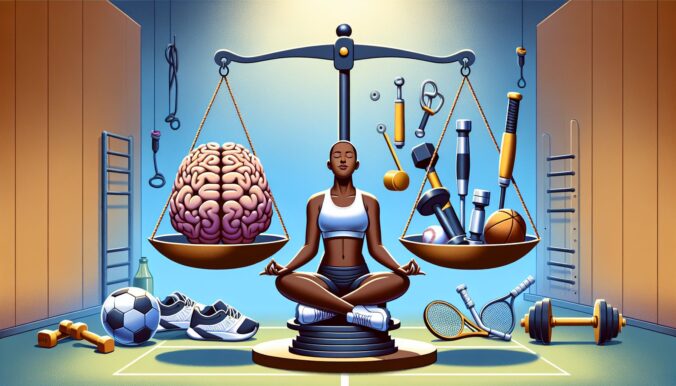
How to Train for Mental Strength Like an Athlete

So, you want to level up your mental game like a pro athlete? Well, buckle up and get ready to sweat (mentally, that is). Training your mind is just as important as training your body, and athletes know this better than anyone.

First off, let’s talk about setting goals. Athletes don’t just show up at the gym and hope for the best – they have clear, achievable goals in mind. Whether it’s to win a championship, beat a personal record, or simply improve overall performance, having a goal gives you something to strive towards. So, grab a pen and paper, jot down your mental goals, and start working towards them.

Next up, let’s talk about visualization. This is a powerful tool that athletes use to mentally prepare for competition. Picture yourself succeeding, imagine the feeling of achieving your goals, and visualize the steps you need to take to get there. Close your eyes, take a deep breath, and let your mind take you to that place of success.

Another key aspect of mental training for athletes is resilience. Life is full of challenges, setbacks, and disappointments, but it’s how you respond to them that truly matters. Athletes train themselves to bounce back from failure, to learn from their mistakes, and to keep pushing forward no matter what. So, when life throws you a curveball, channel your inner athlete and show that you have what it takes to come back stronger.

And of course, we can’t talk about mental strength without touching on the importance of positive self-talk. Athletes don’t waste time with negative thoughts or self-doubt – they believe in themselves and their abilities. So, next time you catch yourself with a negative inner monologue, stop, reframe your thoughts, and remind yourself of all the reasons why you can succeed.

Lastly, let’s talk about the power of mindfulness. Athletes know the importance of being present in the moment, of focusing on the task at hand, and of staying calm under pressure. Take a few moments each day to practice mindfulness – whether it’s through meditation, deep breathing, or simply taking a walk in nature. By training your mind to be more present, you’ll be better equipped to handle whatever challenges come your way.

In conclusion, training for mental strength like an athlete takes time, effort, and dedication. It’s not always easy, but nothing worth having ever is. So, set your goals, visualize success, bounce back from failure, practice positive self-talk, and embrace mindfulness. You may not be running laps on a track or lifting weights in a gym, but your mental muscles deserve just as much attention and care. Show up for yourself, push through the pain, and watch your mental strength soar to new heights. You’ve got this.

The Best Way to Stay Hydrated When Competing in Athletics for Kids

As children are participating in athletics, it is crucial to emphasize the importance of staying hydrated to ensure their performance is at its peak. Proper hydration not only affects their physical well-being but also their cognitive function and overall experience in their sport. Here are some key tips for kids to stay well-hydrated during training and competition.

Introduction

Hydration is essential for athletes of all ages, but it is especially important for kids who are still growing and developing. Dehydration can lead to decreased energy levels, muscle cramps, and even heat exhaustion, which can hinder their ability to perform at their best. Encouraging kids to make hydration a priority can help them reach their full potential during training and competition.

Body

1. Start Hydrating Early

Before heading out for a training session or a competition, kids should start hydrating early. Encourage them to drink water throughout the day leading up to their event, rather than waiting until they are already thirsty. This can help ensure that their bodies are properly hydrated and ready for physical activity.

2. Carry a Water Bottle

One of the simplest ways to stay hydrated during training and competition is to carry a water bottle with them at all times. Having easy access to water makes it more likely that kids will remember to drink regularly. Opt for a reusable water bottle that can be refilled throughout the day.

3. Drink During Breaks

During breaks in training or competition, remind kids to take the opportunity to hydrate. Encourage them to take sips of water even if they do not feel thirsty, as thirst is not always a reliable indicator of hydration levels. Setting a timer or schedule for water breaks can help ensure consistent hydration.

4. Choose the Right Beverages

While water is the best choice for hydration, sports drinks can also be beneficial for kids who are engaging in intense physical activity for an extended period of time. Sports drinks can help replenish electrolytes lost through sweating and provide a source of energy. However, it is important to be mindful of the sugar content in sports drinks and consume them in moderation.

5. Monitor Urine Color

A simple way to gauge hydration levels is by monitoring urine color. Encourage kids to aim for pale yellow urine, which indicates adequate hydration. Dark yellow or amber-colored urine may be a sign of dehydration and a cue to increase water intake.

Conclusion

Staying hydrated is crucial for kids who are participating in athletics to ensure they perform at their best and stay healthy. By starting early, carrying a water bottle, drinking during breaks, choosing the right beverages, and monitoring urine color, kids can make sure they are properly hydrated during training and competition. Educating kids about the importance of hydration and instilling good hydration habits can set them up for success in their athletic endeavors.

The Best Diet Tips for Athletes that Want to Stay Fit

As a young athlete, it is important to fuel your body properly in order to perform your best and stay healthy. Eating the right foods can help you have more energy, recover faster, and build strong muscles. Here are some diet tips to help you stay fit and continue excelling in your sport.

Introduction

Proper nutrition is essential for young athletes to perform at their best. Eating a balanced diet can help improve your performance, increase your endurance, and reduce your risk of injury. By fueling your body with the right foods, you can ensure that you have the energy and nutrients you need to reach your full potential in your sport.

Body

1. Eat a variety of foods

Eating a variety of foods is important for getting all the nutrients your body needs. Make sure to include a mix of fruits, vegetables, whole grains, lean proteins, and healthy fats in your diet. This will help you stay healthy and perform at your best.

2. Stay hydrated

Staying hydrated is essential for athletes, as dehydration can lead to decreased performance and increased risk of injury. Drink plenty of water throughout the day, especially before, during, and after exercise. Avoid sugary drinks like soda and energy drinks, as they can dehydrate you and provide empty calories.

3. Eat before and after workouts

Eating before and after workouts is crucial for young athletes. Before exercising, have a small snack that includes carbohydrates and protein to fuel your muscles. After working out, refuel with a balanced meal or snack to help your body recover and repair muscles. This will help you perform better in your next workout and stay fit.

4. Limit processed foods and sugary snacks

Foods high in processed sugars and fats can lead to weight gain, decreased energy levels, and poor performance. Limit your intake of processed foods like chips, candy, and sugary drinks, and opt for healthier snacks like fruit, nuts, and yogurt instead. This will help you stay fit and healthy while fueling your body with the nutrients it needs.

5. Listen to your body

Everyone’s nutritional needs are different, so it’s important to listen to your body and eat accordingly. If you’re feeling hungry, tired, or sluggish, it may be a sign that you need to adjust your diet. Pay attention to how your body responds to different foods and make changes as needed to stay fit and perform your best.

Conclusion

As a young athlete, it’s important to fuel your body with the right foods in order to stay fit and excel in your sport. By following these diet tips, you can ensure that you have the energy and nutrients you need to perform at your best. Remember to eat a variety of foods, stay hydrated, eat before and after workouts, limit processed foods, and listen to your body. By doing so, you can stay fit, healthy, and continue working hard towards achieving your athletic goals.

How Does Regular Exercise Boost Mental Health?

In a world that relentlessly pries for our time and saps our vitality, safeguarding mental health has morphed into an imperative of paramount importance. Intriguingly, the panacea to the majority of our mental health afflictions might reside in something as elementary, yet earth-shattering, as a routine exercise.

Unveiling The Science Behind Exercise And Mental Health

Consistent physical exertion isn’t about sculpting muscles or shedding pounds alone; it serves a pivotal function in amplifying mental prosperity. But what are the nuts and bolts of this intriguing phenomenon?

The Physiology at Play

Immersing oneself in physical motion prompts your brain to concoct a blend of chemicals: endorphins, neurotransmitters, and endocannabinoids. These ingredients act as innate mood elevators, aiding in diminishing stress and anxiety sensations. Concurrently, exercise augments blood circulation to the brain, bolstering neural growth and cognitive operations enhancement. This propelled cerebral function assists in mood elevation and battling cognitive fatigue. This is why exercise is suggested in therapy, both solo and relationship counseling in Lake Worth. 

The Mental Boons

On the mental battleground, frequent physical activity morphs into a formidable armament for stress mitigation. The act of exercising itself provides a diversion, empowering individuals to liberate themselves from the shackles of pessimistic thought spirals. Moreover, the attainment of fitness milestones, no matter their magnitude, breeds a sense of triumph and escalates self-esteem.

Deciphering Different Exercises And Their Influence on Mental Health

Distinct forms of exercise render distinct advantages for mental health. Let’s delve deeper into how various physical activities can augment your mental prosperity.

The Power of Aerobic Exercise

Ventures like running, swimming, and cycling are unparalleled in escalating your heart rate and bolstering cardiovascular health. Aerobic exercises especially excel in triggering endorphins release, fondly termed as “feel-good” hormones. These activities also demonstrate a significant reduction in anxiety and depression symptoms.

The Strength of Resistance Training

Hoisting weights or partaking in resistance training doesn’t only mold muscle but also turns into a conduit for stress discharge. Resistance training for exhibited enhancements in sleep patterns, frequently disturbed by stress and anxiety. A well-rested mind is better armed to navigate daily tribulations.

The Harmony of Yoga and Mindfulness Practices

Yoga, amalgamating physical postures, breathing exercises, and meditation, encapsulates a comprehensive approach to mental prosperity. Yoga practice curbs cortisol levels, the body’s primary stress hormone. It also fosters mindfulness, enabling individuals to remain centered and in the moment, vital for mental clarity and emotional equilibrium.

In Conclusion

Routine physical exertion is a multifaceted instrument that can markedly uplift mental health through both physiological and psychological avenues. Whether it’s the endorphin surge from an early morning jog, the thrill of accomplishment post a resistance training routine, or the serenity achieved through a yoga class, exercise offers a cornucopia of benefits for the mind.

For those serious about their mental well-being, integrating consistent physical activity into daily life isn’t merely advisable; it’s indispensable. Begin with baby steps, discover your passion, and transform it into a habit. Your mind will extend its gratitude.

Stay Hydrated, Ladies: The Secret Weapon for Dominating in Sports

Hello, fierce females! Are you ready to crush it on the field, court, or track? Well, I hate to break it to you, but if you’re not properly hydrated, you might as well be dragging a ball and chain behind you. Hydration is the secret weapon for dominating in sports, and it’s time to take it seriously.

As women athletes, we put our bodies through intense physical activity day in and day out. Whether you’re running laps, hitting the weights, or perfecting your jump shot, your body is constantly sweating and losing precious fluids. If you don’t replenish those fluids, you’re setting yourself up for failure – and no one likes a quitter, right?

Think of hydration as your trusty sidekick, always there to give you that extra push when you need it most. When you’re properly hydrated, your muscles perform better, your endurance increases, and your focus sharpens. In other words, you become an unstoppable force of nature on the playing field.

But let’s be real for a second – chugging water isn’t exactly the most glamorous part of being an athlete. You’re out there sweating buckets, pushing yourself to the limit, and the last thing you want to do is pee every five minutes. I get it, I really do. But trust me when I say that staying hydrated is a game-changer.

So, how can you make sure you’re getting enough fluids without feeling like a human water fountain? Here are a few tips to help you stay on top of your hydration game:

  1. Invest in a good water bottle: Find a water bottle that you love and take it with you everywhere. Whether you prefer a sleek stainless steel bottle or a fun, colorful one, having it on hand will remind you to drink up.

  2. Set a hydration schedule: Just like you schedule your workouts and practice sessions, make a plan for when you’ll drink water throughout the day. Maybe it’s a glass when you wake up, one with each meal, and one during your workouts. Whatever works for you, stick to it.

  3. Add some flavor: If plain water isn’t your thing, try infusing it with fruits like lemon, berries, or cucumber. Not only will it taste delicious, but it will also give you an extra boost of vitamins and antioxidants.

  4. Monitor your urine color: This may sound weird, but the color of your pee can actually tell you a lot about your hydration levels. Aim for a pale yellow color – if it’s darker than that, you need to drink more water.

Remember, hydration is non-negotiable when it comes to being a badass athlete. So ditch the excuses, grab your water bottle, and go kick some butt out there. Your body will thank you, and your competition won’t know what hit them. Stay hydrated, stay unstoppable, and show the world what you’re made of. Go get ’em, girls!

« Older posts Newer posts »